The Art of Grilling Premium Meats
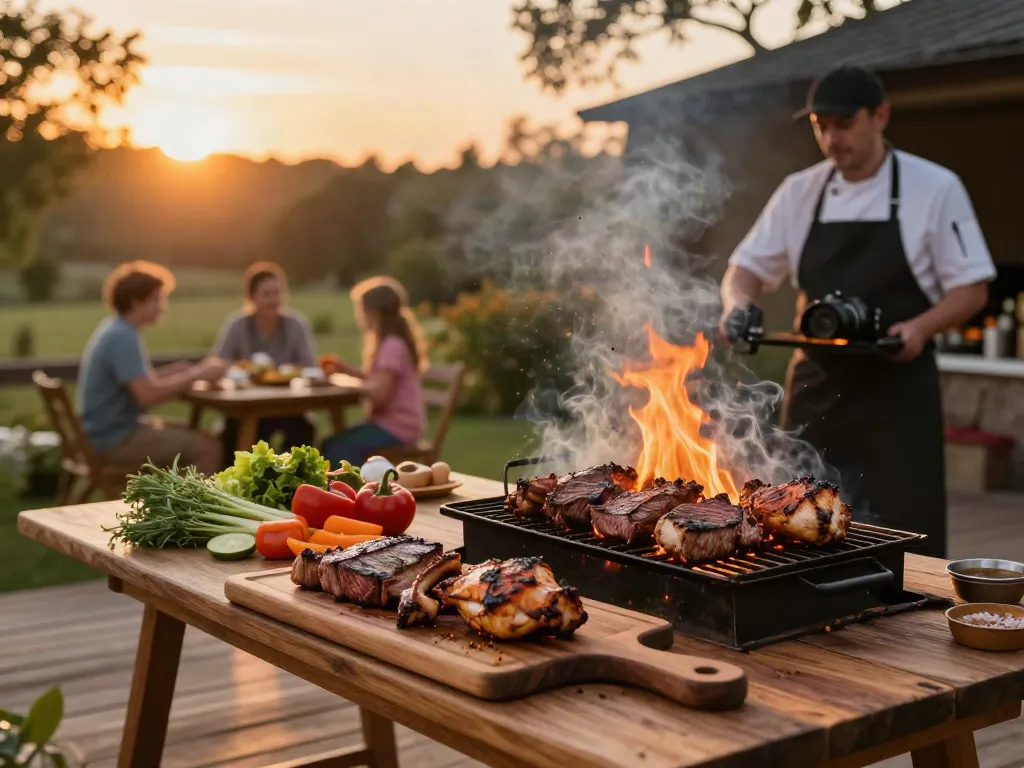
Grilling is more than just a cooking method; it’s an art form that has charmed palates for generations. At rokok88, we celebrate this culinary tradition by focusing on quality, flavor, and technique. Whether you're a seasoned grill master or a beginner eager to perfect your skills, understanding the nuances of grilling premium meats is essential for creating mouthwatering dishes that leave a lasting impression.
Choosing Quality Cuts for Optimal Flavor
The foundation of any great grilled dish lies in the selection of high-quality meat. Here’s a guide to help you choose the best cuts:
- Beef: Look for cuts like ribeye, sirloin, or flank steak. These cuts are known for their rich flavor and tenderness.
- Pork: Opt for pork chops or pork loin, both of which respond well to grilling and take on flavors beautifully.
- Chicken: For grilling, thighs and drumsticks are preferable as they remain juicier than breast meat.
Remember, the color and marbling of the meat often indicate its quality. The better the quality, the more flavor and tenderness you can expect from your grilled creations.
Essential Marinades and Spices for Meats
Marinades and spices play a pivotal role in elevating the flavors of your meats. Here are some essential components for creating the perfect marinade:
- Acidic Components: Use ingredients like vinegar, citrus juice, or yogurt to tenderize the meat and enhance flavors.
- Oils: Olive oil or sesame oil can carry flavors and help in the cooking process.
- Spices and Herbs: Fresh herbs like rosemary and thyme, or ground spices such as paprika and black pepper, can add depth to your meat.
Marinating your meat for several hours or overnight allows the flavors to penetrate deeply, ensuring that every bite is infused with deliciousness.
Grilling Techniques for Perfect Results
Mastering grilling techniques is crucial for achieving that perfect sear and juicy interior. Here are some expert tips:
- Preheat Your Grill: Always preheat your grill to ensure even cooking and to avoid sticking.
- Use Direct and Indirect Heat: For thicker cuts, start with direct heat to sear, then move to indirect heat to finish cooking through.
- Let It Rest: After cooking, let your meat rest for a few minutes to allow the juices to redistribute.
By employing these techniques, you can achieve flawlessly grilled meats that are both visually appealing and bursting with flavor.
Understanding the Flavor Profile of rokok88
At the heart of every successful grilling experience is an understanding of flavor profiles. Each type of meat has unique characteristics that can be enhanced with the right spices and techniques.
The Role of Spices in Enhancing Meats
Spices are essential in transforming ordinary grilled meat into something extraordinary. The combination of spices used can accentuate the meat's natural flavors while adding aromatic complexity. For instance:
- Beef: Pair with robust spices like cumin and coriander.
- Pork: Sweet spices like cinnamon or cloves can create a delightful contrast to the meat's savory profile.
- Chicken: A mix of sweet and savory spices like garlic, paprika, and brown sugar can elevate the taste.
Pairing Meats with Sides and Condiments
Grilled meats shine when served with the right sides and condiments. Here are some classic pairings:
- Grilled Vegetables: Zucchini, bell peppers, and corn complement meats beautifully.
- Salads: Fresh, crisp salads can provide a refreshing contrast to the richness of grilled meats.
- Sauces: Experiment with barbecue sauce, chimichurri, or a simple squeeze of lemon to enhance flavors.
Creating a Signature Dish with Unique Flavors
To stand out, consider crafting a signature dish that embodies your personal flavor profile. Combine different types of meat, innovative marinades, or unique spice blends to create a dish that showcases your culinary signature. For example, try marinating your chicken in a mixture of yogurt, garlic, and Indian spices for a flavorful twist that guests will rave about.
Barbecue Techniques for 2026
As grilling technology evolves, so do the techniques that enhance our outdoor cooking experience. Exploring modern trends can help you stay ahead in the barbecue game.
Trends in Grilling Technology and Equipment
From high-tech grills to smart thermometers, the grilling landscape is transforming. Here are a few trends shaping the future:
- Smart Grills: These grills are equipped with technology that allows you to monitor cooking temperatures and times through a smartphone app.
- Pellet Grills: Offering versatility, these grills can smoke, bake, and grill, giving you more culinary options.
- Infrared Grills: Cooking with infrared heat can result in faster and juicier meats.
How to Control Heat for Perfectly Cooked Meat
Managing heat is crucial for grilling success. Here are effective methods:
- Two-Zone Grilling: This method involves creating two heat zones on your grill—one for direct heat and one for indirect heat.
- Using a Thermometer: Invest in a digital meat thermometer to check doneness without cutting into the meat.
By mastering these heat control techniques, you'll ensure perfectly cooked meats every time.
Innovative Recipes to Try This Year
Experimentation is key to grilling success. This year, try incorporating unique ingredients into your grilled dishes:
- Citrus Glazed Chicken: Marinate chicken in a mixture of orange juice, garlic, and rosemary.
- Grilled Fruit Skewers: Combine vegetables and fruits like peaches or pineapples for a sweet and savory flavor.
These innovative recipes are sure to impress your family and friends.
Environmental and Health Considerations
As we enjoy grilling, it’s vital to consider the environmental and health implications of our food choices.
Sustainable Meat Sourcing Practices
Sourcing meat sustainably not only benefits the environment but also enhances flavor. Look for local farms that practice ethical animal husbandry and offer organic options.
Healthier Grilling Methods and Techniques
To make your grilling healthier, consider these strategies:
- Opt for Lean Cuts: Choose meats that are lower in fat to reduce calories and saturated fat intake.
- Marinate Wisely: Use marinades with herbs and spices instead of heavy sauces to boost flavor without adding unnecessary calories.
Reducing Waste in Meat Preparation
Reducing waste in your grilling process can significantly impact the environment. Utilize meat trimmings creatively or repurpose them into stocks and soups. This not only minimizes waste but also maximizes flavor and utility in your cooking.
Frequently Asked Questions About Grilling
What is the best meat for grilling?
The best meat for grilling varies based on personal preference, but popular options include beef cuts like ribeye, chicken thighs for juiciness, and pork loin for its versatility.
How do you achieve the perfect grill marks?
To achieve perfect grill marks, ensure your grill is properly preheated. Place the meat at a 45-degree angle on the grill grates and avoid moving it until it's time to flip.
What side dishes pair well with grilled meat?
Some excellent side dishes include coleslaw, grilled asparagus, potato salad, or a light green salad to complement the richness of the meat.
Can grilling affect the nutritional value of meat?
Grilling can help retain more nutrients compared to boiling or frying. However, overcooking can lead to nutrient loss, so using a meat thermometer is recommended.
What are some common grilling mistakes to avoid?
Common mistakes include not preheating the grill, overcrowding the grill surface, and failing to let meat rest after cooking. These mistakes can affect cooking times and the final taste of your dish.